A PCS move transfers a service member and eligible family members to a new duty station. The term means permanent change of station. Orders explain the move, while military programs may help arrange travel, household goods shipping, storage, or lodging. Families should review orders early and keep clear records.
A military move can differ from a regular household move. Dates may depend on orders, reporting times, housing, school plans, and transportation. A simple plan helps families protect important items, avoid delays, and understand which services may be approved.
Table of Contents
- What is a PCS move?
- How do you arrange a military PCS move?
- What is a personally procured move?
- What moving expenses and household goods are covered?
- What counts against a PCS weight allowance?
- What should you do before your PCS move?
- How can a moving company help with a PCS move?
- Frequently Asked Questions
- Key takeaways
- Conclusion
What is a PCS move?
A PCS move is an official move from one duty station to another. PCS stands for permanent change of station. The move may include the service member, an eligible spouse, children, and approved household goods.
PCS orders begin the process. They list the new duty station and may show reporting dates, travel details, and other instructions. The service member should read each page and ask the installation transportation office about terms that are not clear.
How permanent change of station orders begin the process
Orders help decide which moving services are available. They may guide travel, household goods shipping, storage, vehicle shipping, and temporary lodging. Benefits can differ by orders, service branch, duty location, family status, and current military rules.
A service member should not assume that every expense receives coverage. Before making plans or hiring help, the family should confirm the needed steps. Keep copies of orders, receipts, inventories, and emails. These records can help answer questions later.
Who can move with the service member
Authorized dependents may travel with the service member when orders allow it. An eligible dependent is a family member recognized for military benefits under the rules that apply. Travel dates may differ because of school, health needs, housing, or command instructions.
The family should confirm who is listed and which travel plans are approved. Pets, guests, and visitors often need separate plans. Jacksonville North Carolina Movers can help Jacksonville families with the physical moving work. The installation office remains the best source for official PCS benefits.
How do you arrange a military PCS move?
Most service members start with the installation transportation office or the current military relocation system. The office explains shipment choices, forms, weight limits, and scheduling steps. Starting early helps because pickup dates may fill during busy transfer seasons.
First, the service member reviews the orders. The family then usually attends counseling and shares details about the origin, destination, family members, property, and preferred dates. The counselor can explain what the government will arrange and what the family must handle.
Government-arranged household goods moves
A government-arranged move usually uses an approved transportation provider. The carrier packs, loads, carries, unloads, and may unpack household goods under the shipment terms. The family should ask which services are included before pickup day.
The movers may create an inventory during packing. Read the inventory closely and point out mistakes before signing. High-value items, serial numbers, existing damage, and special handling needs should receive careful review.
Scheduling counseling, pickup, delivery, and tracking
A PCS move may involve many dates. These can include counseling, packing, pickup, delivery, temporary storage, and reporting. Families should allow room for changes because orders, weather, carrier space, and housing readiness can affect the schedule.
Keep orders, counseling papers, inventories, receipts, delivery records, and claim details in one folder. Record the shipment number and check approved tracking tools. If a date changes, report the problem quickly instead of waiting until moving day.
What is a personally procured move?
A personally procured move, often called a PPM, is a move arranged by the service member. Instead of using a government-arranged shipment, the member may rent a truck, hire movers, use a trailer, or move some items personally. Approval and good records are important.
A PPM can give the family more control over timing and packing. It can also add work and financial risk. Rules may change, so the service member should understand the current program before choosing this option.
How service members arrange transportation themselves
The first step is usually counseling with the installation transportation office. Ask whether the move qualifies, which weight can count, what documents are needed, and when forms must be sent.
The family then chooses transportation, packing help, storage, and travel plans that fit the approved move. A written agreement with a moving company should list dates, services, protection, and payment terms. Keep contracts, receipts, tickets, weight tickets, and delivery records.
How reimbursement and incentive payments generally work
A PPM may include reimbursement or an incentive payment under current military rules. The amount does not depend only on a mover’s invoice. It may depend on approved weight, distance, orders, expenses, and other program rules.
An estimate is not a guaranteed payment. The service member should ask which documents support the claim and whether taxes or limits apply. Jacksonville North Carolina Movers can explain moving services for Jacksonville residents, but the military program decides official eligibility and payment.
What moving expenses and household goods are covered?
PCS benefits may cover approved travel and household goods services. Coverage depends on the orders and current rules. Household goods are personal items used in the home, such as furniture, clothes, dishes, books, and other common belongings.
Families should separate approved benefits from personal choices. A larger home, special packing request, extra storage, pet travel, or added service may not receive the same treatment as an approved move. Asking before booking can help prevent an unexpected bill.
Weight allowances and authorized belongings
A weight allowance is the most household goods weight approved for a service member’s rank, dependents, and move type. The allowance does not mean every item can ship. Restricted goods and unapproved property may still be refused.
Ask how furniture, appliances, outdoor items, tools, and work equipment are treated. A home inventory can show what may ship and what should be sold, donated, stored, or carried separately.
Travel, temporary lodging, storage, and other eligible expenses
Travel benefits may cover approved travel to the new duty station. Temporary lodging or storage may also be available in some cases. Confirm the reason, time limit, booking method, and required receipts before spending money.
Some expenses need approval before they happen. Others may have limits based on location or orders. A written question to the transportation or finance office creates a useful record. Costs can change when families add services, change dates, or move items outside the approved plan.
What counts against a PCS weight allowance?
Items placed in the household goods shipment generally count toward its weight. Packing materials, containers, and some handling weight may also matter under the rules. The transportation office can explain how official weight is measured.
When possible, plan below the maximum. This leaves room for items missed during an early estimate. It also gives the family time to remove belongings before the packers arrive.
Items included in shipment weight
Furniture, clothes, kitchen goods, electronics, toys, books, tools, and personal items may be part of the shipment. Boxes packed by the family may still count if they travel with household goods. Do not depend only on an online calculator.
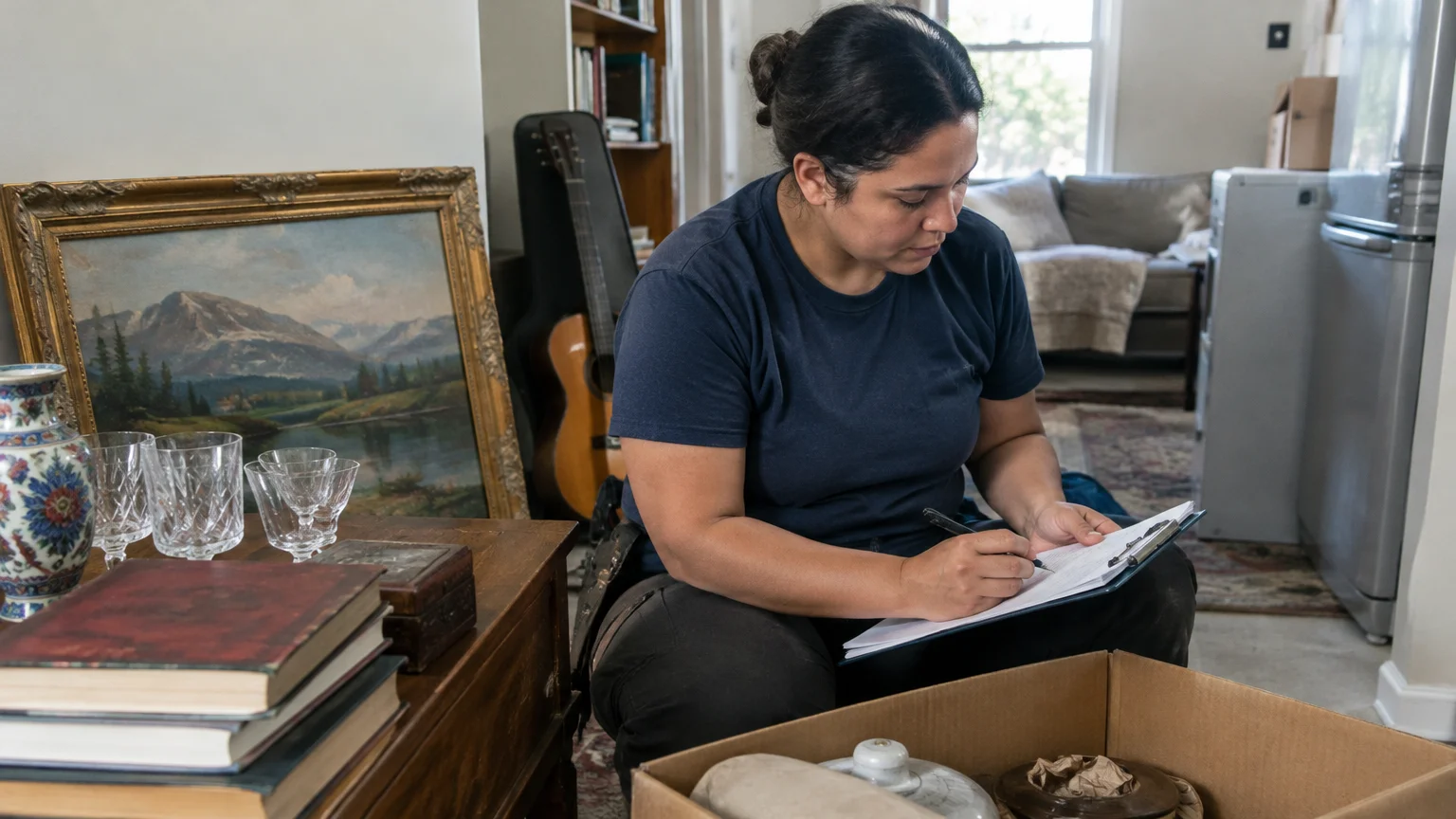
A room-by-room inventory makes planning easier. It can show items that need special care, such as artwork, antiques, musical instruments, glassware, and large appliances. Photos can record their condition before packing.
Common belongings and services that may be excluded or restricted
Hazardous materials, flammable liquids, ammunition, firearms, perishable food, plants, and some chemicals may be restricted or prohibited. Carriers may also have rules for batteries, propane tanks, cleaning products, and prescription items.
Ask before packing anything that seems uncertain. Valuables, important papers, medicine, jewelry, cash, and small electronics are often safer with the traveler when allowed. A professional mover can help pack safely, but the service member must identify restricted goods.
What should you do before your PCS move?
Good preparation starts with documents and a simple plan. Confirm orders, dates, housing details, school needs, pet plans, medical records, and transportation appointments. Also decide what stays with the family and what enters the household goods shipment.
A decluttering pass can shorten packing time. Sort items into keep, donate, sell, recycle, store, and carry groups. Downsizing before the move may help the household stay within its approved allowance.
Preparing documents, inventory, valuables, and fragile items
Keep orders, identification, medical records, school records, leases, insurance papers, financial files, and moving documents in a travel folder. Back up key records in a safe place. Carry important papers instead of placing them in the shipment.
For dishes, place plates on their edges with padding between them. Put paper or padding inside and around bowls. Wrap fragile items one at a time, fill empty spaces, and mark the box clearly. This method also helps families learning how to pack dishes for moving or shipping.
Reducing delays, damage, and unexpected costs
Finish laundry, empty drawers, remove wall items, and clear walkways before pack day. Give pets and children a safe place away from movers. Measure large furniture against doors, halls, elevators, and spaces in the new home.
Inspect the shipment at delivery. Note missing or damaged items on the delivery paperwork and follow the claim process soon. Keep photos and copies of every form. Good records support a clearer review if a problem occurs.
How can a moving company help with a PCS move?
A moving company can help with packing, loading, furniture protection, transport, and unloading. This support may help when a service member has little time, physical limits, a large household, fragile items, or an office move tied to the relocation.
Professional help does not replace military counseling. First confirm what the orders allow. Then compare services and choose help that fits the approved plan. Jacksonville North Carolina Movers can help families plan local moving tasks around their PCS schedule.
When professional packing, loading, and transport may be useful
Packing Services can help prepare dishes, glassware, artwork, clothing, and other household goods. Furniture Movers can protect large pieces and manage stairs, narrow halls, or heavy lifting. Local Movers may help with a short move before or after the official relocation.
Commercial & Office Movers may help a business owner limit downtime during a work relocation. Apartment Movers can assist renters with elevators, tight spaces, or short access windows. Each service should be explained in writing before work begins.
Questions to ask before hiring help for a military move
Ask whether the company has experience with military relocations and personally procured moves. Also ask what packing materials, loading help, protection, storage, and delivery support are included.
Useful questions include:
- What parts of the move will the crew handle?
- How will fragile or high-value items receive protection?
- What documents will the customer receive?
- How will changes to dates or services be handled?
- What happens if an item is damaged or missing?
- Can the company work with the approved schedule?
Jacksonville North Carolina Movers helps customers plan moving support and nearby areas. The family should still confirm official PCS rules with the installation transportation office before choosing a plan.
Frequently Asked Questions
Does the military pay for every part of a PCS move?
No. Military orders may authorize travel, household goods shipping, storage, lodging, or other benefits. Each item has its own rules and limits. Personal upgrades, unapproved services, extra belongings, and changes outside the orders may be the service member’s responsibility. Transportation and finance offices can explain current terms.
Can a service member choose a personally procured move?
Often, a service member may request a personally procured move. Approval and paperwork are important. Attend counseling before renting a truck or hiring movers. Payment or incentive rules may depend on weight, distance, orders, and required receipts, so the official program should confirm eligibility.
What should stay with the family during a PCS move?
Important documents, medicine, valuables, basic clothes, chargers, pet supplies, and items needed during the first days should stay with the family when possible. Delivery can take time, so a small travel kit helps. Ask about restricted items before packing anything in luggage or shipped goods.
How should families protect dishes during a military move?
Wrap each dish separately and add padding between pieces. Pack plates on edge, cushion bowls, and fill empty spaces so items cannot shift. Use strong boxes and avoid making them too heavy. Photograph valuable pieces before packing and tell movers about fragile items during the inventory review.
When should PCS planning begin?
Planning should start when the service member receives reliable orders or expects a transfer. Early counseling gives the family more choices for pickup, housing, storage, school plans, and travel. Dates can change, so keep the plan flexible and check with the transportation office before making major commitments.
Key takeaways
- A PCS move transfers a service member to a new permanent duty station.
- Orders and military counseling guide approved travel and moving benefits.
- A personally procured move needs planning, records, and approval steps.
- Household goods, restricted items, and weight allowances need careful review.
- Professional packing and moving help can reduce lifting, damage, and delays.
Conclusion
A PCS move has several parts, but early planning makes each step easier. Service members should review orders, attend counseling, track documents, sort belongings, and ask questions before booking extra services. Families should protect important items and prepare for possible schedule changes.
For households planning a relocation, Jacksonville North Carolina Movers can help with packing, loading, furniture handling, and transportation needs. Contact us to discuss moving support that fits the family’s timeline and approved PCS plan.